Business - Pitch Deck Google Slide: A Smart Choice for Creative Professionals
When it comes to crafting a compelling presentation, the right template can make all the difference. The Business - Pitch Deck Google Slide is designed for those who value creativity, minimalism, and professionalism. Whether you're an entrepreneur pitching to investors, a blogger sharing insights, or a freelancer showcasing your portfolio, this template offers the structure and visual appeal needed to engage your audience effectively.
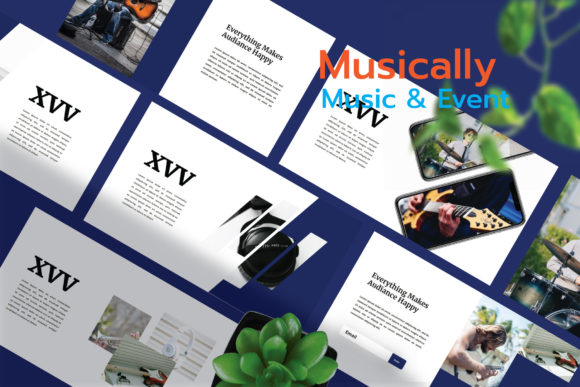
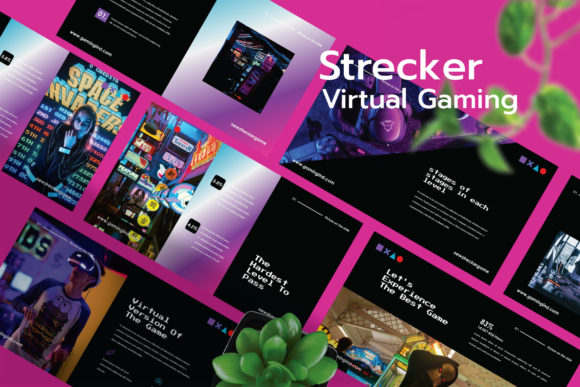
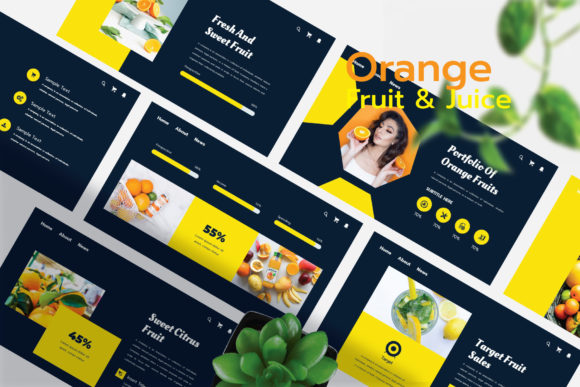
With 40 unique custom slides, a modern design based on master slides, and compatibility with 16:9 and widescreen formats, this template is both versatile and user-friendly. It includes infographics, charts, icons, and editable elements that allow for full customization. However, like any tool, its effectiveness depends on how well you understand and use it.
Common Mistakes When Choosing and Using Pitch Deck Templates
Many users overlook critical details when selecting or applying presentation templates, which can impact the final outcome of their work. Here are some common pitfalls and how to avoid them:
1. Underestimating the Importance of Compatibility
One of the most frequent issues is assuming that all templates work seamlessly across platforms. The Business - Pitch Deck Google Slide is specifically designed for Google Slides, which means it may not function as expected in PowerPoint or Keynote without adjustments.
Result: Formatting issues, missing fonts, and misplaced elements can disrupt your presentation flow.
Solution: Always check the file type before downloading. If you're not using Google Slides regularly, test the template in a demo version first to ensure compatibility with your workflow.
2. Ignoring the Need for Customization
Some users stick rigidly to the template's original design without tailoring it to their brand or message. While the Business - Pitch Deck Google Slide offers a clean aesthetic, it's meant to be edited—colors, text, and layout can all be adjusted to reflect your unique style.
Result: A generic look that doesn't stand out or resonate with your audience.
Solution: Take advantage of the fully editable features. Change color schemes to match your brand palette, swap placeholder text with your key messages, and replace generic icons with ones that better represent your content.
3. Overlooking the Importance of Image Quality
The template includes drag-and-drop placeholders for images but does not provide the actual photos. Many users fill these spaces with low-resolution or irrelevant images, which can detract from the professional appearance of the deck.
Result: A cluttered or unprofessional look that undermines the presentation's credibility.
Solution: Use high-quality images from trusted sources like Unsplash or Pexels. Make sure the visuals align with your message and enhance the overall narrative rather than distract from it.
4. Misunderstanding the Role of Minimalism
Minimalist designs are popular for a reason—they reduce visual clutter and help focus attention on key points. However, some users misinterpret minimalism as "empty space," leading to slides that feel incomplete or lack substance.
Result: Presentations that fail to communicate the intended message clearly.
Solution: Use white space strategically. Each slide should have a clear purpose—whether it's to highlight a statistic, introduce a concept, or showcase a product. Avoid overcrowding, but ensure that each slide adds value to your overall narrative.
What to Check Before Downloading or Using the Template
Before committing to the Business - Pitch Deck Google Slide, consider the following factors to ensure it meets your needs:
- Font licensing: The template uses free fonts, but it's always good to verify that they're approved for commercial use if you're presenting for a business purpose.
- Documentation: Review the included documentation file to understand how to edit slides, change colors, and access additional features.
- File structure: Ensure that the template is organized logically, with master slides and grouped elements that make editing efficient.
- Support: Check if the creator offers support or updates in case you encounter issues or want to expand your template usage.
How to Maximize the Value of Your Presentation
Using a high-quality template like the Business - Pitch Deck Google Slide is just the first step. Here are some practical tips to help you get the most out of it:
Start with a Clear Structure
Before diving into design, outline your presentation's structure. Common sections include an introduction, problem statement, solution, market analysis, business model, team, financials, and closing call to action. Having a logical flow ensures your audience can follow your message easily.
Leverage the Built-in Infographics and Charts
Instead of manually creating charts or diagrams, use the pre-designed elements included in the template. These are styled to match the overall aesthetic and can be easily edited to reflect your data.
Use Consistent Branding
Customize the template to reflect your brand identity. Stick to your brand colors, fonts, and logo placement throughout the presentation to reinforce recognition and professionalism.
Test Your Slides on Different Devices
Because the template supports multiple screen sizes, preview your presentation on various devices to ensure readability and visual consistency. This is especially important if your audience will view the slides on mobile or tablet devices.
Final Thoughts
The Business - Pitch Deck Google Slide is a powerful tool for anyone looking to create polished, professional presentations without starting from scratch. However, success lies in understanding its features, customizing it thoughtfully, and avoiding common missteps that can hinder its effectiveness.
By taking the time to evaluate your needs, test compatibility, and tailor the design to your message, you'll be well on your way to delivering a presentation that captures attention, communicates clearly, and leaves a lasting impression.