Businessman is Busy for Working: A Visual Solution for Modern Work Narratives
Visual storytelling plays a crucial role in how we communicate ideas, especially in today’s fast-paced, content-driven world. Whether you're creating a presentation, designing a poster, or crafting an infographic, having the right imagery can make all the difference. The “Businessman is Busy for Working” visual concept captures the essence of productivity, focus, and professional drive. It's more than just a picture—it’s a narrative tool that resonates across industries and audiences.
Understanding the Visual Concept
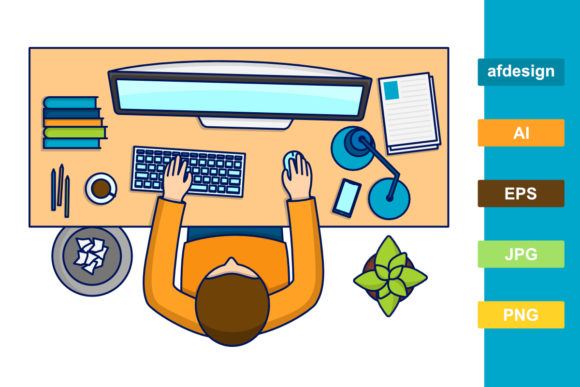
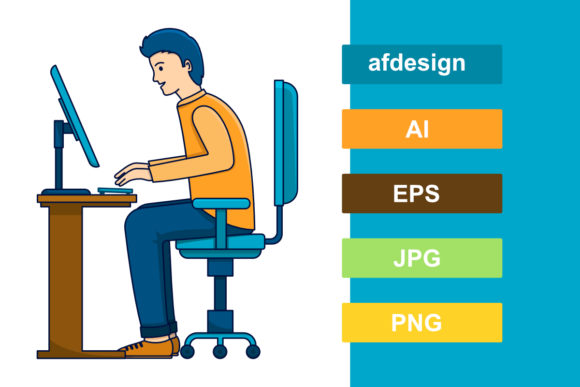
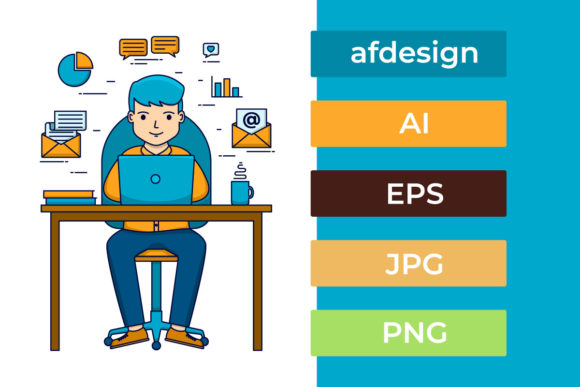
At its core, “Businessman is Busy for Working” is a visual motif that portrays a professional deeply engaged in their work. This can be shown in various contexts—whether at a desk, in a co-working space, or even remotely from a home office. The image often includes elements like a laptop, documents, a coffee cup, or a notepad, reinforcing the idea of active productivity. The concept is versatile and can be adapted to represent not just businessmen, but also designers, programmers, freelancers, and other professionals across the work spectrum.
Where and Why This Visual Works Best
This type of imagery shines in visual projects that aim to communicate professionalism, dedication, and the modern work ethic. It’s particularly effective in:
- Marketing materials for productivity tools, time management apps, or business coaching services
- Educational infographics explaining work habits, career development, or remote work trends
- Promotional posters for coworking spaces, business seminars, or startup incubators
- Social media content targeting entrepreneurs, freelancers, and remote workers
Real-World Use Cases Across Industries
Let’s take a closer look at how different users can incorporate “Businessman is Busy for Working” imagery into their projects and what benefits they might gain:
1. Entrepreneurs and Startups
Startups often need to convey a sense of momentum and ambition. Using visuals of a focused businessman at work can help illustrate a pitch deck or investor presentation. For example, a SaaS startup promoting a new task management tool might use this image to highlight how their software supports focused work and efficiency.
2. Freelancers and Remote Workers
Freelancers building their personal brand can use this imagery to showcase their work ethic on portfolios, LinkedIn banners, or personal websites. A freelance graphic designer might feature a “Businessman is Busy for Working” scene to represent the creative process behind client projects, helping potential clients visualize the effort and dedication involved.
3. Educators and Trainers
In educational settings, this visual can be used to discuss time management, productivity techniques, or professional development. An instructor teaching a course on remote work best practices might include this image in a slide about creating a productive workspace, reinforcing the message with a relatable visual cue.
4. Marketers and Content Creators
Marketers can integrate this concept into blog graphics, email newsletters, or social media posts. For instance, a marketing team promoting a productivity webinar could use the image to visually support a headline like “Mastering Focus in a Distracted World.”
5. Office Planners and Interior Designers
For those designing office spaces or promoting flexible work environments, this visual can help illustrate the balance between personal focus and collaborative work. A design firm might use it in a case study showing how modern office layouts support both deep work and team interaction.
Choosing the Right Visual for Your Project
When selecting or creating visuals around the “Businessman is Busy for Working” theme, consider the following factors to ensure relevance and impact:
- Context: Does the image match the tone and purpose of your project? A formal business report may require a more polished look, while a social media post might benefit from a casual, relatable vibe.
- Style: Are you going for a realistic photo, a minimalist vector illustration, or a stylized graphic? Choose a style that aligns with your brand identity and audience expectations.
- Diversity: Ensure the imagery reflects a range of professions, genders, ethnicities, and work environments to make your content more inclusive and relatable.
- Customization: Can the image be easily edited or layered with text and other design elements? Look for visuals that offer flexibility in layout and composition.
How to Integrate the Visual Into Different Formats
Depending on your project type, you may need to adapt how you use the “Businessman is Busy for Working” concept:
- Posters and Flyers: Use the image as a background with overlay text highlighting key messages like “Stay Focused” or “Work Smart.”
- Infographics: Place the image alongside data points about productivity, such as “85% of remote workers report higher focus when working from a dedicated space.”
- Presentations: Feature the image on a slide introducing a section about workflow optimization or team efficiency.
- Blog Graphics: Pair the visual with a caption that ties into the article’s topic, such as “What Productive Work Looks Like in 2025.”
Connecting Visuals to Real Outcomes
It’s not enough to just use a visually appealing image—your content should connect the imagery to tangible results. For instance, if you're promoting a new workspace design, showing a businessman working at a table can help viewers imagine how the space supports deep focus and efficiency. Or if you’re writing about work-life balance, the same image can serve as a contrast to a later image of the same person relaxing, helping to visually reinforce the article’s message.
Final Thoughts
The “Businessman is Busy for Working” visual concept is more than just a stock image—it’s a storytelling device that can elevate your content and make it more engaging. Whether you're a marketer, educator, freelancer, or entrepreneur, incorporating this imagery into your materials can help you communicate professionalism, focus, and the modern work ethic in a way that resonates with your audience. By understanding where and how to use it effectively, you can turn a simple visual into a powerful communication tool.