Chemical Material Background Design: Practical Uses and Design Considerations
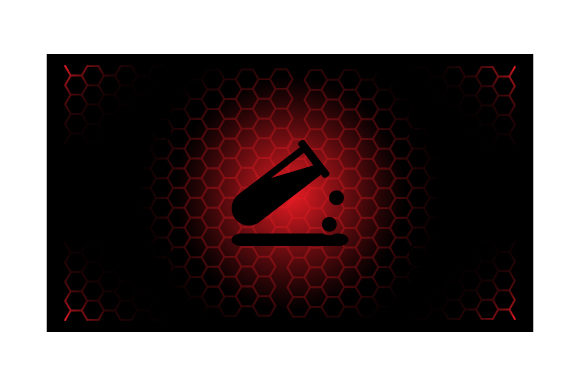
Chemical Material Background Design refers to the use of textures, patterns, and visuals inspired by chemical substances, molecular structures, and laboratory environments. This design style is commonly used in scientific presentations, educational infographics, healthcare websites, and technology-related branding. Unlike generic background templates, Chemical Material Background Design incorporates visual elements that evoke the complexity and precision of chemistry, making it ideal for niche applications where thematic relevance is key.
Distinct Features of Chemical Material Background Design
What sets Chemical Material Background Design apart is its thematic depth and scientific authenticity. These backgrounds often include elements such as:
- Molecular structures and atomic diagrams
- Lab glassware outlines and chemical reaction visuals
- Microscopic textures and abstract chemical patterns
- Color schemes derived from chemical compounds (e.g., sulfur yellow, copper blue, carbon black)
Designers typically use these motifs to create a visual language that aligns with science, innovation, and technical precision. The files available—AI, EPS, JPG, and PNG—allow for both scalability and adaptability across different platforms, from print media to digital banners.
Comparing Chemical Material Backgrounds with Other Design Styles
When selecting a background design, it's important to understand how Chemical Material Background Design stacks up against other styles. Here’s how it compares:
- Abstract Backgrounds: Abstract designs offer more artistic freedom but lack the thematic specificity of chemical material styles. They work well for general branding but may not convey scientific depth.
- Geometric Patterns: These are clean and modern but tend to focus more on aesthetics than thematic relevance. They’re better suited for tech or architecture than for scientific content.
- Nature-Inspired Backgrounds: These evoke organic themes and are ideal for environmental or health-related topics, but they don’t align with the technical tone required in chemistry or lab-based visuals.
- Industrial or Tech Themes: These share some precision and structure with chemical material backgrounds but often lean more toward machinery or digital aesthetics rather than molecular science.
Strengths and Tradeoffs of Chemical Material Background Design
Like any design choice, using a Chemical Material Background comes with advantages and limitations. Understanding these can help you decide if it’s the right fit for your project.
Strengths:
- Thematic Accuracy: Enhances credibility in scientific or educational contexts by visually reinforcing the subject matter.
- Visual Interest: Unique textures and patterns can make otherwise technical content more engaging and easier to digest.
- Brand Consistency: Especially useful for science-related businesses or institutions that want to maintain a consistent, professional image across materials.
- Scalability: AI and EPS formats allow for high-quality resizing, making these backgrounds suitable for both digital and print media.
Tradeoffs:
- Over-Specialization: May not be appropriate for general audiences or non-science-related projects.
- Clutter Risk: Busy patterns can distract from the main content if not used carefully.
- Limited Color Range: Some chemical-inspired palettes may not align with brand colors or accessibility standards.
- Technical Requirements: Requires some design knowledge to implement effectively, especially when layering with text or icons.
Best-Fit Situations for Chemical Material Background Design
Certain contexts benefit more from Chemical Material Background Design than others. Consider using this style in the following situations:
- Educational Infographics: Visual learners benefit from thematic backgrounds that reinforce complex concepts like molecular bonding or chemical reactions.
- Science-Based Websites: Websites for chemical suppliers, research labs, or pharmaceutical companies can use these backgrounds to align with their core subject matter.
- Conference Presentations: When presenting at scientific events, a well-designed chemical background can enhance professionalism and relevance.
- Blog Headers and Banners: Science and tech blogs often use these backgrounds to create a cohesive and engaging visual experience for readers.
- Promotional Materials: For chemical product launches or scientific event marketing, these backgrounds help communicate the technical nature of the offering.
When to Choose an Alternative Background Style
While Chemical Material Background Design has its place, there are scenarios where a different approach may be better suited:
- General Audiences: If your content is meant for a broad audience, simpler or more universally appealing backgrounds may be more effective.
- Minimalist Design Needs: If your project requires a clean, distraction-free layout, a chemical material background might add unnecessary visual noise.
- Non-Scientific Content: Even if your brand is science-related, unrelated content (e.g., HR policies or financial reports) may not benefit from a technical background.
- Accessibility Concerns: Some chemical-inspired color combinations may not meet contrast standards for readability, especially for users with visual impairments.
Realistic Examples and Practical Comparisons
Let’s look at how Chemical Material Background Design might be used in real-world scenarios and how it compares to other styles:
- Infographic Example: A chemistry education website uses a background with subtle molecular structures to illustrate a breakdown of chemical bonds. Compared to a plain white background, this adds visual interest without overwhelming the content.
- Website Banner Example: A biotech startup uses a Chemical Material Background Design on its homepage banner. Compared to a stock photo of a lab, the custom background offers more flexibility and scalability across devices.
- Presentation Slide Example: A university lecturer uses a chemical-themed background for lecture slides. Compared to a generic PowerPoint template, this design helps maintain student engagement and reinforces learning themes.
- Blog Header Example: A science blog uses a PNG version of a chemical material background for its header image. Compared to a standard gradient, this background better reflects the blog’s niche focus on chemistry and materials science.
Key Decision Factors When Choosing Background Designs
When evaluating whether to use Chemical Material Background Design or an alternative, consider the following factors:
- Audience: Is your audience primarily scientific, or do they come from a broader background?
- Purpose: Are you aiming to educate, inform, or promote? Different goals may require different levels of visual complexity.
- Content Type: Does your content involve chemical processes, molecular structures, or lab environments?
- Brand Identity: Does your brand use a science or technology theme that would benefit from thematic consistency?
- Accessibility: Will the background interfere with readability or screen reader compatibility?
- Technical Needs: Do you need scalable vector formats (AI, EPS) or are you working with web-friendly images (JPG, PNG)?
Final Thoughts on Using Chemical Material Background Design
Chemical Material Background Design offers a unique and relevant visual approach for science-related content. When used appropriately, it enhances engagement, supports educational messaging, and strengthens brand identity. However, it’s not a one-size-fits-all solution. Understanding its strengths, limitations, and best-fit scenarios allows you to make an informed choice based on your project’s needs. Whether you're designing an infographic, website banner, blog header, or presentation slide, consider how this design style aligns with your message and audience before making a final decision.