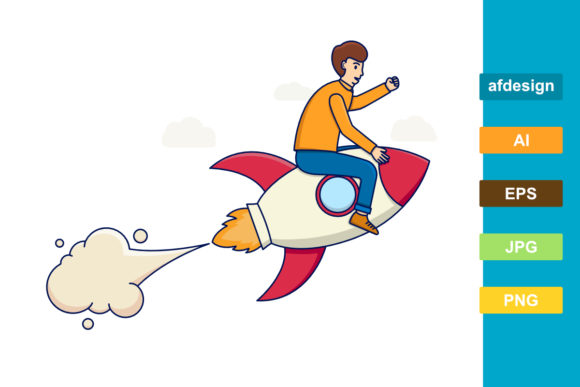
Startup Launch Concept: Igniting Growth Like a Rocket
Launching a startup is like preparing for a rocket launch. There’s planning, momentum, and the right fuel to lift off successfully. The Startup Launch Concept captures this spirit — not just for entrepreneurs, but for anyone aiming to elevate their career or creative path. Whether you're a freelancer, educator, marketer, or small business owner, understanding this concept can help you map a trajectory for sustainable growth.
What Is the Startup Launch Concept?
At its core, the Startup Launch Concept is a strategic framework designed to help individuals and teams launch a new venture, project, or personal brand with clarity and impact. It’s not limited to tech startups — it applies to any situation where a strong, focused start is essential for long-term success.
Think of it as the blueprint for launching anything with purpose. Just like a rocket needs the right trajectory, timing, and thrust, your idea needs structure, validation, and execution to take off and stay on course.
Key Characteristics of a Strong Startup Launch
- Clarity of Purpose: A clear mission and defined audience are essential before launch.
- Strategic Planning: From MVP (Minimum Viable Product) to marketing, every step should be intentional.
- Agility: Being able to pivot quickly based on feedback or market shifts is crucial.
- Visual Identity: A strong brand presence — including logos, color schemes, and design assets — helps build recognition.
- Storytelling: Whether it’s a pitch to investors or a social media post, storytelling drives engagement and connection.
Why the Startup Launch Concept Matters
In today’s fast-paced, competitive environment, starting strong is more important than ever. A well-executed launch can set the tone for everything that follows — from customer trust to team morale to long-term scalability.
For professionals, adopting this mindset can help you stand out in your field. For educators or creators, it can help you structure your content or course launches more effectively. And for entrepreneurs, it’s the difference between a stalled idea and a thriving business.
Practical Applications Across Industries
The Startup Launch Concept is versatile. Here’s how it applies in different contexts:
Professional Development
Whether you're launching a new role, a personal brand, or a consulting practice, a launch mindset helps you define your value, target your audience, and build momentum. Think of it as your personal rocket plan — complete with goals, timelines, and support systems.
Education and Training
Educators and trainers can use this concept to structure course launches, create engaging onboarding experiences, or design learning paths that build momentum over time. Visual metaphors like a rocket launch can also be powerful tools for student motivation and engagement.
Creative and Digital Projects
From launching a portfolio to a new creative campaign, the Startup Launch Concept gives creators a structured way to build anticipation, gather feedback, and refine their work before full release.
Small Business and E-commerce
For small business owners, a launch strategy ensures you’re not just opening your doors and hoping for the best. Instead, you’re building a foundation, testing your offering, and generating interest before you officially go live.
Benefits of Using the Startup Launch Concept
Adopting this approach offers tangible benefits across multiple dimensions:
- Improved Usability: Launching with a clear structure ensures your product or service is easy to understand and use.
- Greater Efficiency: A planned launch reduces wasted time and resources by focusing on what matters most early on.
- Stronger Branding: A consistent visual and narrative identity from the start builds trust and recognition.
- Enhanced Engagement: Launching with a story or visual metaphor — like a rocket rising — creates emotional resonance with your audience.
- Higher Productivity: Clear goals and timelines help teams stay focused and motivated.
Real-World Examples
Consider how a digital marketing agency might use the Startup Launch Concept:
- Define the niche and ideal client profile.
- Create a simple but compelling landing page and MVP service offering.
- Build a small launch team and test the offering with early clients.
- Use feedback to refine and scale the offering.
Or imagine a freelance writer launching a new personal brand:
- Develop a clear value proposition and portfolio.
- Launch a newsletter or content series to build an audience.
- Use social proof and testimonials to build credibility.
How to Choose the Right Launch Strategy
Not all launches are the same. Here are a few practical considerations to help you tailor your approach:
- Know Your Audience: Who are you launching for? What do they need? What’s the best way to reach them?
- Set Realistic Goals: Don’t aim too high or too low. Your launch should be ambitious but achievable.
- Test Before You Launch: Whether it’s a soft launch, beta version, or pilot program, getting feedback early can save time and money later.
- Invest in Visuals: A compelling visual identity — including illustrations, infographics, or even a rocket-themed poster — can make your launch more memorable.
- Measure and Adapt: Use analytics, surveys, and user feedback to learn what’s working and what needs adjustment.
Design and Branding Considerations
If you're using visuals like a rocket illustration to represent your launch, make sure they align with your brand tone and message. A rocket can symbolize growth, innovation, or ambition — but only if it’s used in context. Pair it with strong typography, a clear tagline, and a consistent color palette to reinforce your message across all platforms.
For example, a poster featuring a businessman on a rocket ascending can be used in:
- Office murals to inspire teams
- Infographics for presentations or reports
- Social media posts for product or campaign launches
- Course landing pages to symbolize growth and progress
Final Thoughts: Launching with Purpose
The Startup Launch Concept is more than a framework — it’s a mindset. It’s about starting with intention, building momentum, and staying adaptable as you grow. Whether you’re a solo creator, a startup founder, or a team leader, applying this concept can help you launch with confidence and clarity.
So, think of your next big idea as a rocket waiting to take off. With the right planning, visuals, and strategy, you’re not just launching — you’re setting a course for long-term success.